

Visuals are no longer optional elements in today’s digital-first marketplace; they play a critical role, especially in industries like jewelry where appearance commands attention. Whether a traditional jewelry store is moving into the online space or a modern brand is starting out as a digital-only business, every brand must find the best way to present its pieces in an engaging way. At Metalonyx, we understand this challenge well. That’s why the jewelry rendering vs. photography debate has become more relevant than ever, especially for brands offering Jewelry CAD Designing Services to create digital jewelry models before production.
Both photography and rendering focus on highlighting jewelry in the most engaging way possible, but each approach follows a different path. Rendering relies on advanced computer-generated imagery (CGI) to create highly realistic visuals of jewelry, often even before the physical piece comes into existence. Photography, on the other hand, captures images of actual, finished jewelry pieces using professional camera techniques.
If you’re a jewelry designer, manufacturer, or retailer trying to decide which visual style best suits your brand, you’ve come to the right place. This blog will guide you through the key differences, benefits, and appropriate situations for using each method. Let’s explore the benefits, limitations, and real-world impact of jewelry renderings compared to traditional photography.
What is Jewelry Rendering?
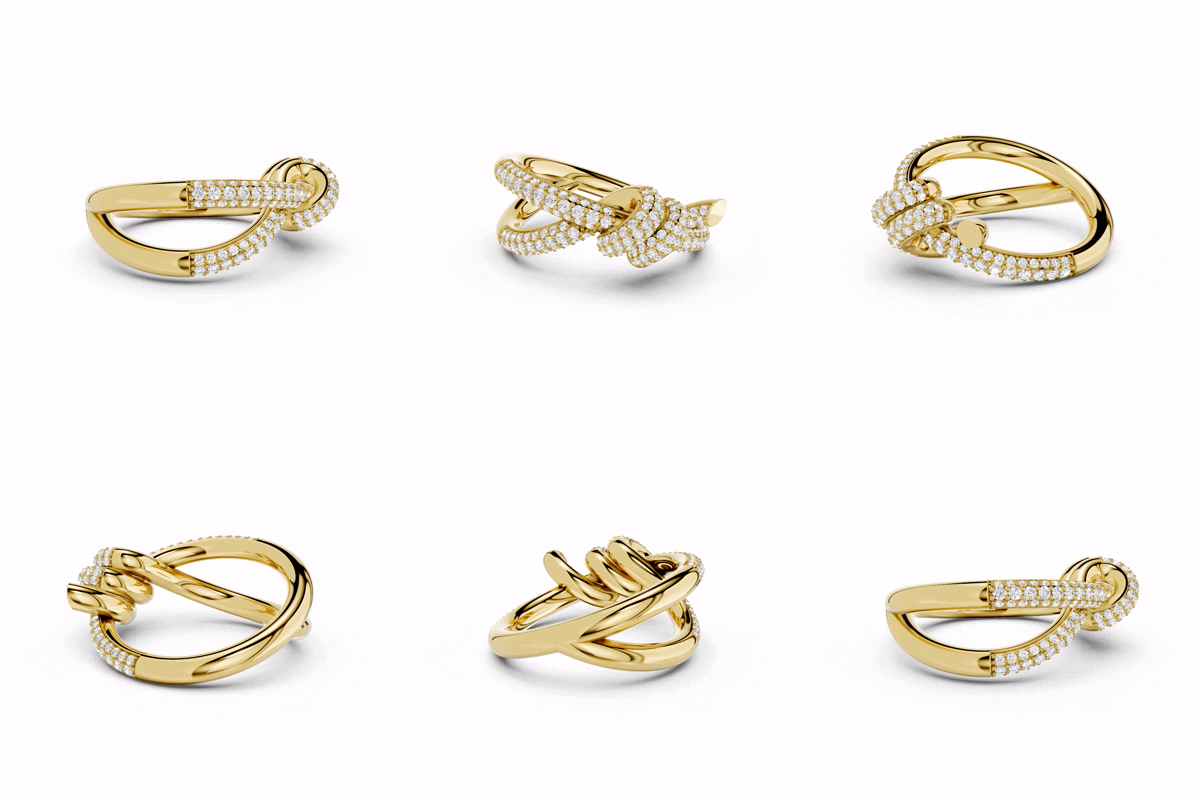
Jewelry rendering is the process of creating highly realistic digital images of jewelry using advanced 3D modeling and rendering tools. Designers first create a detailed CAD (computer-aided design) model of the jewelry piece, and then they apply digital materials such as gold, platinum, diamonds, or colorful gemstones to the design. After that, they adjust lighting, reflections, shadows, and the surrounding environment to create a polished, lifelike scene. At Metalonics, this approach helps transform raw digital designs into stunning images that look and feel just like the actual jewelry piece through professional Jewelry Rendering Services.
As rendering technology continues to improve, many jewelry brands now use rendered visuals for websites, catalogs, and marketing campaigns, especially when physical prototypes are not ready or are expensive to produce. One of the main advantages of rendering is its flexibility. Designers can quickly change metal colors such as yellow gold, white gold, rose gold, or platinum, and test different gemstones without having to produce multiple samples. Rendering allows designers to more clearly highlight fine details, internal structures, or unique design elements, which helps customers better understand the piece before production.
What is Jewelry Photography?
Jewelry photography focuses on capturing real jewelry pieces using professional cameras, controlled lighting setups, and advanced photo-editing tools. It represents a classic way to display jewelry and still plays a major role in the luxury and high-end jewelry market. Many brands choose this method because it presents the actual product as it would look in real life. At Metalonyx, we understand how powerful an authentic product image can be when consumers evaluate beautiful jewelry online.
Photographing jewelry requires both creativity and technical precision. Shiny metal surfaces, small details, and reflective gemstones make jewelry one of the most challenging subjects to shoot. Photographers carefully adjust lighting to highlight brilliance while preventing glare or unwanted shadows. After the shoot, experts refine the images by performing detailed editing, correcting colors, removing dust spots, and enhancing natural shine. This process helps brands present jewelry that looks polished and maintains the authentic feel that buyers expect.
Jewelry Rendering and Photography Compared
Jewelry rendering and jewelry photography both aim to present pieces in a visually appealing way, but they work in very different ways. With renderings, which are digital images created using specialized design software, Metalonyx designers can showcase detailed jewelry concepts before the piece is physically produced. This approach is especially useful when creating unique pieces through custom hip-hop jewelry CAD design services, where every detail can be imagined and refined before production.
Jewelry photography, on the other hand, relies on cameras to capture images of actual, finished jewelry. It allows customers to see the true look, shine, and texture of a piece in real life or in a studio setup, which helps Metalonyx build trust and credibility with potential buyers.
| Aspect | Jewelry Renderings | Jewelry Photography |
| Definition | Digital images created with 3D software | Real photos taken of actual jewelry pieces |
| When Used | Before production, for custom designs and previews | After production, for marketing and sales |
| Control | Full control over lighting, angles, and details | Limited by real-world lighting and conditions |
| Realism | Can look hyper-realistic but slightly artificial | Captures natural textures, reflections, and flaws |
| Cost | Lower for large collections, one-time software cost | Higher due to photoshoots, equipment, editing |
| Purpose | Visualize ideas, pre-sell concepts | Build trust and emotional connection with buyers |
| Editing Needs | Heavy digital creation and adjustment | Minor touch-ups for clarity and quality |
| Customer Impact | Great for designs and options before making pieces | Better for showcasing final products authentically |
When Should You Choose Jewelry Rendering?
Jewelry rendering is ideal for brands that need a fast, flexible, and cost-effective way to showcase jewelry designs. It allows businesses to showcase detailed visuals without having to produce physical samples, making it perfect for custom jewelry brands, online stores, and companies that frequently launch new collections. Rendering also helps startups and designers test ideas, present concepts to customers, and easily collaborate with global teams before moving into production.
When Should You Choose Jewelry Photography?
Jewelry photography is ideal for brands that want to highlight authenticity, craftsmanship, and a premium feel. It helps showcase the true beauty, texture, and fine details of each piece, which builds trust with consumers – especially for luxury or handcrafted jewelry. Realistic images also work well for storytelling in social media campaigns, website banners, and marketing materials. Photography is especially valuable for showcasing unique, vintage, or one-of-a-kind jewelry pieces where originality and a realistic look are most important.
Conclusion
In conclusion, the conversation about photorealistic jewelry rendering and traditional photography is about choosing the right balance. Businesses should consider factors such as cost, creative flexibility, production speed, and environmental impact. Traditional photography has an authenticity and timeless emotional feel. Meanwhile, photorealistic rendering offers unlimited creative control and can reduce long-term costs. At Metalonyx, we believe that the smartest strategy is to thoughtfully combine both approaches. Using them together helps brands capture attention, adapt to modern trends, and deliver a strong visual experience. Whether a brand chooses classic photography or cutting-edge rendering, visual excellence and customer satisfaction should be prioritized in today’s competitive jewelry market.
Read Next: How Much Does It Cost to Design a Jewelry Render File?
FAQs
Q1. Which is more cost-effective for small jewelry businesses?
For small jewelry brands, the cost benefit of rendering or photography depends on their specific goals. Rendering can require an initial investment. However, it often becomes more economical over time because designers can adjust designs, colors, and styles without having to repeat photo shoots. This flexibility allows smaller brands to create multiple variations and remain competitive in the marketplace.
Q2. Can digital renderings achieve the same emotional impact as photographs?
For years, traditional photography has helped brands convey emotion and authenticity. Today, advanced digital renderings can provide the same emotional connection. With precise lighting, textures, and vivid details, renderings can communicate strong visual stories. When brands use them effectively, they strengthen brand identity and maintain high customer engagement.
Q3. How do rendering techniques adapt to current jewelry trends?
Rendering tools offer exceptional adaptability. When new jewelry styles or design trends emerge, designers can quickly update digital models to reflect those changes. This flexibility allows brands to keep their visuals fresh, modern, and aligned with what their audience wants to see right now.
Q4. What are the time savings when choosing rendering over photography?
Speed stands out as one of the biggest advantages of rendering. While timelines vary by project, rendering often delivers higher-quality visuals than planning and completing a traditional photo shoot. This rapid turnaround helps brands respond quickly to new product launches and changing market demands.
Q5. How do each method influence online consumer behavior?
Both traditional photography and photorealistic rendering can positively influence consumer behavior when executed well. Strong visuals on websites, marketplaces, and social platforms instantly grab attention, build credibility, and encourage buyers to take action. High-quality images ultimately play a key role in improving engagement and increasing sales.